|
|
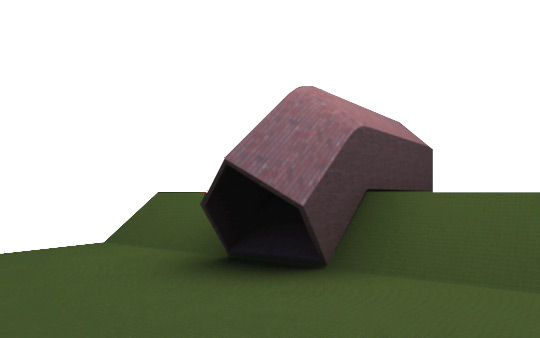
Area = 19.567m2, Estimated Budget = 37.697.260 €
Located at the border of the old town of Barcelona, the proposal for the New Central Library flies toward the silence and the light that illuminates the reading areas and provides the energy for its self-sufficiency. The building, with this jump, liberates the ground floor giving a public plaza to the city. This new public land is located in the interstice of surrounding territories historically considered as residual dead ends and never solved in the different urban plans done in the area in the last 200 years. The library is energetically self-sufficient and performs as hyper-connector between the Historic Center and the seafront, un-accessible from this part of the town.
Collaborators:
AOR: Zaguirre-Formatger. STRUCTURE: Eduard 12. MECHANICAL: PGI
      
|
|
|
Area= 72.360m2, Budget= 148.500.000 €
Art and Nature spinning around, conglomerating and binding the complexity and diversity of the program. People, Art and Nature as a binder for a new Complex Norwegian Society. The Program includes the government in the middle of the structure and the museum spinning around, up, in a double spiro, to the roof where the forest is with a view of the fjord. One spiro connects the different exhibition areas, the other spiro is an ascending garden that provides outdoor space to the mu-seum. the museum in its ascension liberates the border on the ground floor to let the people connect with the different levels of the city in the border of the lot. The government building jumps up offering the center of the ground to the city. It will be the space for a climatized plaza, a polyvalent urban agora where Oslo meets Oslo and the Norwegian cultural Scene finds a new engine. The Nobel Peace Center is integrated as part of this complexity, articulating the entrance to the museum and filtering the urban space that moves through the building at street level. The building starts with Oslo in the ground...with the Norwegians and finishes with Norway ...on the roof..with the Fjord.
Collaborators: Garret McClure, Ian Colburn, Cristina Guadalupe, Alessandro Ayuso.       
|
|
|
Area = 9.234sqf, Budget=$4.000.000
Following the language of the traditional Chinese Buddhist Architecture, the facade isolates the building in the upper floors with a continuous lattice that disappears completely on the ground floor allowing the street to expand into the temple and facilitating maximum public access to the worship area. On the floors above, where the cells of the monks are located, the building isolates himself from the street and opens the roof to the sky in order to allow the sun-light to slide into the privacy of the monastery.(more) The building is located on Eldridge street in the heart of Chinatown New York. The program is organized into 5 main areas; worship area on the ground floor, charity and dining in the basement, the school on the second floor and the residence cells on the third and fourth floors. The roof becomes a terrace to the city.  
|
|
|
One 8’x4’plywood board cut in 2’by 2’ module, joined with finger joins and organized in 3 independent self-supporting wood elements. The elements work structurally when are compressed to each other with a nylon tighten cable. Pyramidal sound-proof foam as cushion. No nails no glue no screws.
“His gaze those bars keep passing is so misted
with tiredness, it can take in nothing more.
He feels as though a thousand bars existed,
and no more world beyond them before.
Those supply-powerful paddings, turning there
in the tiniest of circles, well might be
the dance of forces round a center where
some mighty will stands paralyticly.
Just now and then the pupil’s noiseless shutter
is lifted.— Then an image will indart,
down through the limbs’ intensive stillness
flutter, and end its being in the heart.” Rainer Maria Rilke   
|
|
|
|
|
|
Area = 19.567m2, Estimated Budget = 37.697.260 €
Located at the border of the old town of Barcelona, the proposal for the New Central Library flies toward the silence and the light that illuminates the reading areas and provides the energy for its self-sufficiency. The building, with this jump, liberates the ground floor giving a public plaza to the city. This new public land is located in the interstice of surrounding territories historically considered as residual dead ends and never solved in the different urban plans done in the area in the last 200 years. The library is energetically self-sufficient and performs as hyper-connector between the Historic Center and the seafront, un-accessible from this part of the town.
Collaborators:
AOR: Zaguirre-Formatger. STRUCTURE: Eduard 12. MECHANICAL: PGI
      
|
|
|
Area= 72.360m2, Budget= 148.500.000 €
Art and Nature spinning around, conglomerating and binding the complexity and diversity of the program. People, Art and Nature as a binder for a new Complex Norwegian Society. The Program includes the government in the middle of the structure and the museum spinning around, up, in a double spiro, to the roof where the forest is with a view of the fjord. One spiro connects the different exhibition areas, the other spiro is an ascending garden that provides outdoor space to the mu-seum. the museum in its ascension liberates the border on the ground floor to let the people connect with the different levels of the city in the border of the lot. The government building jumps up offering the center of the ground to the city. It will be the space for a climatized plaza, a polyvalent urban agora where Oslo meets Oslo and the Norwegian cultural Scene finds a new engine. The Nobel Peace Center is integrated as part of this complexity, articulating the entrance to the museum and filtering the urban space that moves through the building at street level. The building starts with Oslo in the ground...with the Norwegians and finishes with Norway ...on the roof..with the Fjord.
Collaborators: Garret McClure, Ian Colburn, Cristina Guadalupe, Alessandro Ayuso.       
|
|
|
Area = 9.234sqf, Budget=$4.000.000
Following the language of the traditional Chinese Buddhist Architecture, the facade isolates the building in the upper floors with a continuous lattice that disappears completely on the ground floor allowing the street to expand into the temple and facilitating maximum public access to the worship area. On the floors above, where the cells of the monks are located, the building isolates himself from the street and opens the roof to the sky in order to allow the sun-light to slide into the privacy of the monastery.(more) The building is located on Eldridge street in the heart of Chinatown New York. The program is organized into 5 main areas; worship area on the ground floor, charity and dining in the basement, the school on the second floor and the residence cells on the third and fourth floors. The roof becomes a terrace to the city.  
|
|
|
One 8’x4’plywood board cut in 2’by 2’ module, joined with finger joins and organized in 3 independent self-supporting wood elements. The elements work structurally when are compressed to each other with a nylon tighten cable. Pyramidal sound-proof foam as cushion. No nails no glue no screws.
“His gaze those bars keep passing is so misted
with tiredness, it can take in nothing more.
He feels as though a thousand bars existed,
and no more world beyond them before.
Those supply-powerful paddings, turning there
in the tiniest of circles, well might be
the dance of forces round a center where
some mighty will stands paralyticly.
Just now and then the pupil’s noiseless shutter
is lifted.— Then an image will indart,
down through the limbs’ intensive stillness
flutter, and end its being in the heart.” Rainer Maria Rilke   
|
|
|
|
13 Hectares, 175.000m2 building
The Haugerud complex is a high density self sufficient low income housing proposal for the Oslo suburbia addressed primarily to elder and young in an area with high percentage of immigrant population .
The Master plan includes 160.000m2 of new housing , office space for small companies, community center, sport center , 2 schools and nw station train station conbined with the Zoco-market area. The proposal tries to introduce nature and hand work into a high density urban environment and as vehicle to reinforce the sense of group into the different ages an culture sectors of the community. Each housing unit has associated a 28m2 garden on the ground floor where the tenants can grow vegetables for self consumption or for exchange for services. The Zoco-Train Station-Plaza will become the center of a local sub-economy and the bridge with other neighbor communities. The roof of the station and market is designed as a outdoor plaza for the spring summer social events of the community and as atractor for and meeting point for visitors.      
|
|
|
Volume=2261 cubic-feet budget=$3000/unit (including pedagogic package), $50000 prototype.
One school in a shipping container...to be shipped anywhere necessary. In a boat, in a truck in a helicopter... In the interior, there are Colors...Colors they have never seen before... four different modules generating seating, tables and castles. The kids move the pieces up and down, right to left to build a new place every day, every hour, every second...the kids don't sit in a row...the don't even sit... they fly they don't have chairs or a uniform ... actually nobody in their town uses chairs or shoes...or maybe yes...but not in this school. The pieces made in high density rubber foam are dense enough to be used as a table and soft enough to be hugged...light to be carried...from inside to outside, like a gigantic Lego to conform a new outdoor classroom where the teacher will tell another tale of their country....and afterwards, the pieces will come back to the container...to sleep, until the next morning's light, when the kids and the pieces will again rebuild the school.     
|
|
|
|
Area = 19.567m2, Estimated Budget = 37.697.260 €
Located at the border of the old town of Barcelona, the proposal for the New Central Library flies toward the silence and the light that illuminates the reading areas and provides the energy for its self-sufficiency. The building, with this jump, liberates the ground floor giving a public plaza to the city. This new public land is located in the interstice of surrounding territories historically considered as residual dead ends and never solved in the different urban plans done in the area in the last 200 years. The library is energetically self-sufficient and performs as hyper-connector between the Historic Center and the seafront, un-accessible from this part of the town.
Collaborators:
AOR: Zaguirre-Formatger. STRUCTURE: Eduard 12. MECHANICAL: PGI
      
|
|
|
Area= 72.360m2, Budget= 148.500.000 €
Art and Nature spinning around, conglomerating and binding the complexity and diversity of the program. People, Art and Nature as a binder for a new Complex Norwegian Society. The Program includes the government in the middle of the structure and the museum spinning around, up, in a double spiro, to the roof where the forest is with a view of the fjord. One spiro connects the different exhibition areas, the other spiro is an ascending garden that provides outdoor space to the mu-seum. the museum in its ascension liberates the border on the ground floor to let the people connect with the different levels of the city in the border of the lot. The government building jumps up offering the center of the ground to the city. It will be the space for a climatized plaza, a polyvalent urban agora where Oslo meets Oslo and the Norwegian cultural Scene finds a new engine. The Nobel Peace Center is integrated as part of this complexity, articulating the entrance to the museum and filtering the urban space that moves through the building at street level. The building starts with Oslo in the ground...with the Norwegians and finishes with Norway ...on the roof..with the Fjord.
Collaborators: Garret McClure, Ian Colburn, Cristina Guadalupe, Alessandro Ayuso.       
|
|
|
Area = 9.234sqf, Budget=$4.000.000
Following the language of the traditional Chinese Buddhist Architecture, the facade isolates the building in the upper floors with a continuous lattice that disappears completely on the ground floor allowing the street to expand into the temple and facilitating maximum public access to the worship area. On the floors above, where the cells of the monks are located, the building isolates himself from the street and opens the roof to the sky in order to allow the sun-light to slide into the privacy of the monastery.(more) The building is located on Eldridge street in the heart of Chinatown New York. The program is organized into 5 main areas; worship area on the ground floor, charity and dining in the basement, the school on the second floor and the residence cells on the third and fourth floors. The roof becomes a terrace to the city.  
|
|
|
One 8’x4’plywood board cut in 2’by 2’ module, joined with finger joins and organized in 3 independent self-supporting wood elements. The elements work structurally when are compressed to each other with a nylon tighten cable. Pyramidal sound-proof foam as cushion. No nails no glue no screws.
“His gaze those bars keep passing is so misted
with tiredness, it can take in nothing more.
He feels as though a thousand bars existed,
and no more world beyond them before.
Those supply-powerful paddings, turning there
in the tiniest of circles, well might be
the dance of forces round a center where
some mighty will stands paralyticly.
Just now and then the pupil’s noiseless shutter
is lifted.— Then an image will indart,
down through the limbs’ intensive stillness
flutter, and end its being in the heart.” Rainer Maria Rilke   
|
|
|
|
13 Hectares, 175.000m2 building
The Haugerud complex is a high density self sufficient low income housing proposal for the Oslo suburbia addressed primarily to elder and young in an area with high percentage of immigrant population .
The Master plan includes 160.000m2 of new housing , office space for small companies, community center, sport center , 2 schools and nw station train station conbined with the Zoco-market area. The proposal tries to introduce nature and hand work into a high density urban environment and as vehicle to reinforce the sense of group into the different ages an culture sectors of the community. Each housing unit has associated a 28m2 garden on the ground floor where the tenants can grow vegetables for self consumption or for exchange for services. The Zoco-Train Station-Plaza will become the center of a local sub-economy and the bridge with other neighbor communities. The roof of the station and market is designed as a outdoor plaza for the spring summer social events of the community and as atractor for and meeting point for visitors.      
|
|
|
Volume=2261 cubic-feet budget=$3000/unit (including pedagogic package), $50000 prototype.
One school in a shipping container...to be shipped anywhere necessary. In a boat, in a truck in a helicopter... In the interior, there are Colors...Colors they have never seen before... four different modules generating seating, tables and castles. The kids move the pieces up and down, right to left to build a new place every day, every hour, every second...the kids don't sit in a row...the don't even sit... they fly they don't have chairs or a uniform ... actually nobody in their town uses chairs or shoes...or maybe yes...but not in this school. The pieces made in high density rubber foam are dense enough to be used as a table and soft enough to be hugged...light to be carried...from inside to outside, like a gigantic Lego to conform a new outdoor classroom where the teacher will tell another tale of their country....and afterwards, the pieces will come back to the container...to sleep, until the next morning's light, when the kids and the pieces will again rebuild the school.     
|
|